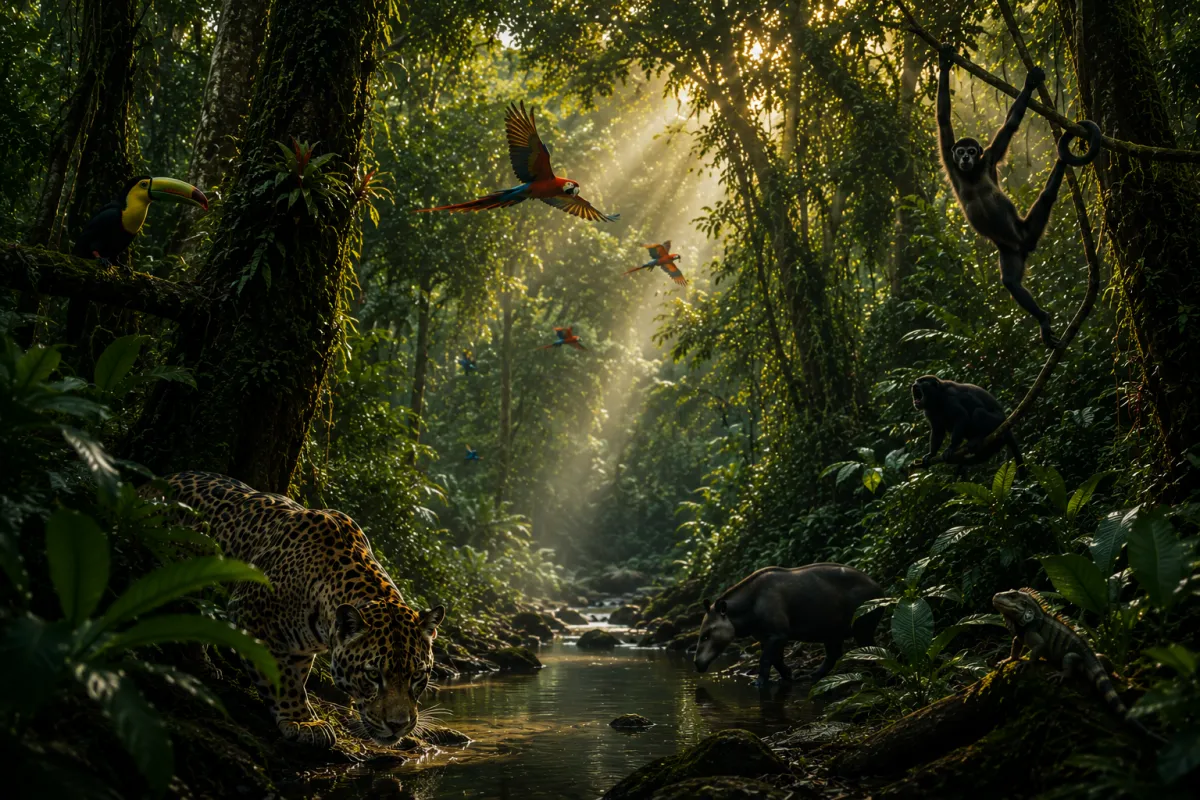
The Hidden Wildlife of the Maya Biosphere
The Maya Biosphere Reserve in Guatemala is one of the last great tropical rainforests of Mesoamerica, a living sanctuary filled with ancient trees, hidden rivers, and extraordinary wildlife found nowhere else on Earth.
Stretching across millions of acres of dense jungle, wetlands, and limestone forests, this ecosystem is home to more than 3,000 species of plants, around 550 species of birds, over 200 species of mammals and reptiles, and countless insects, amphibians, and microorganisms that help sustain the delicate balance of the forest.
Some of the most iconic and endangered species in the Americas still survive here. Jaguars move silently beneath the canopy. Scarlet macaws fly above ancient Maya ruins. Howler monkeys roar through the forest at sunrise.
Yet much of this biodiversity remains unseen by the outside world.
Protecting the Maya Biosphere means protecting the countless species that depend on it for survival.
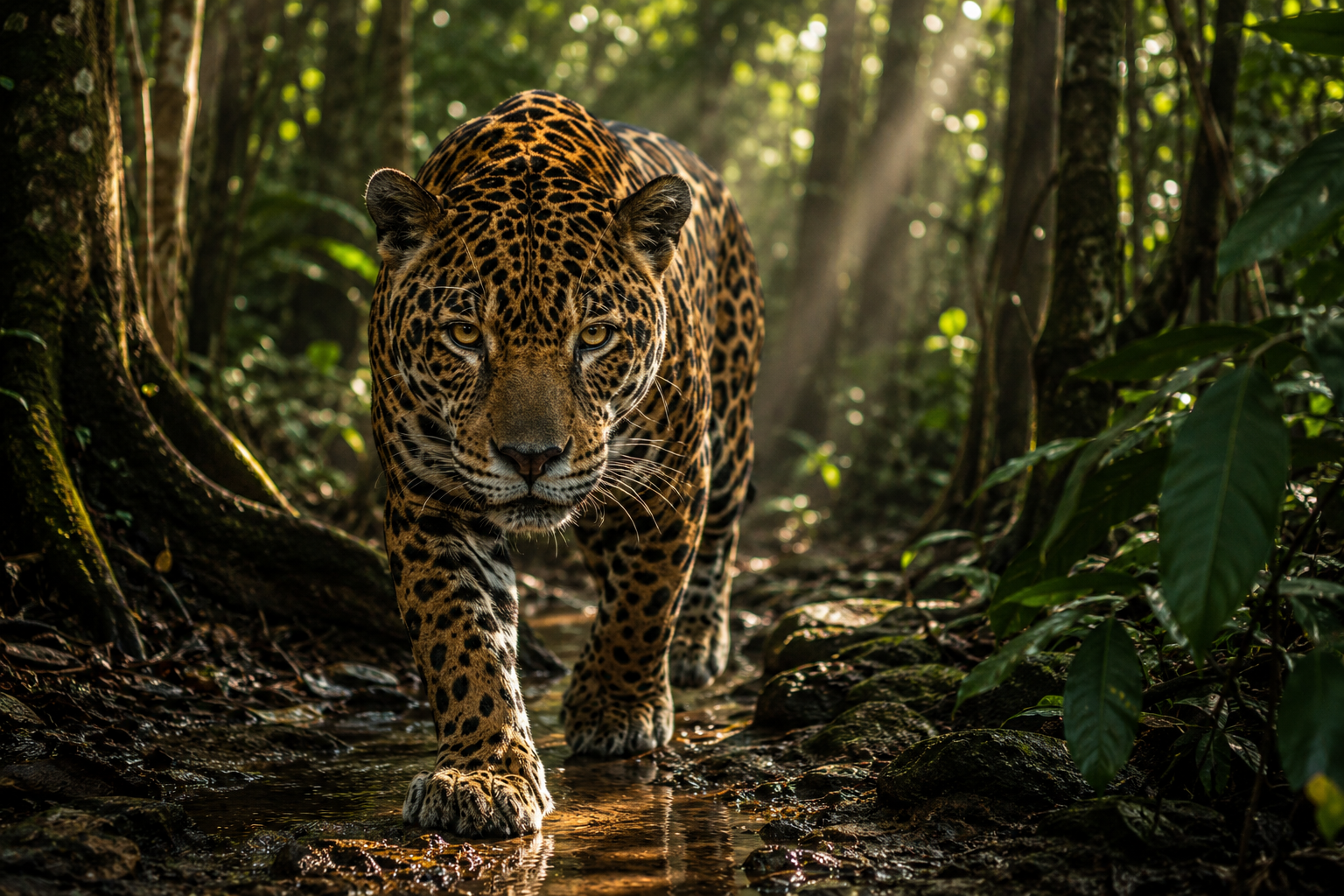
The Jaguar: Spirit of the Rainforest
The jaguar (Panthera onca) is the largest feline in the Americas and one of the most important predators in the Maya rainforest.
For ancient Maya civilizations, the jaguar symbolized power, protection, and spiritual connection to the natural world. Today, the jaguar continues to play a vital ecological role by helping maintain balance within the forest ecosystem.
As apex predators, jaguars regulate prey populations and contribute to the overall health of biodiversity corridors.
However, habitat destruction and illegal deforestation are rapidly reducing the territories these magnificent animals need to survive.
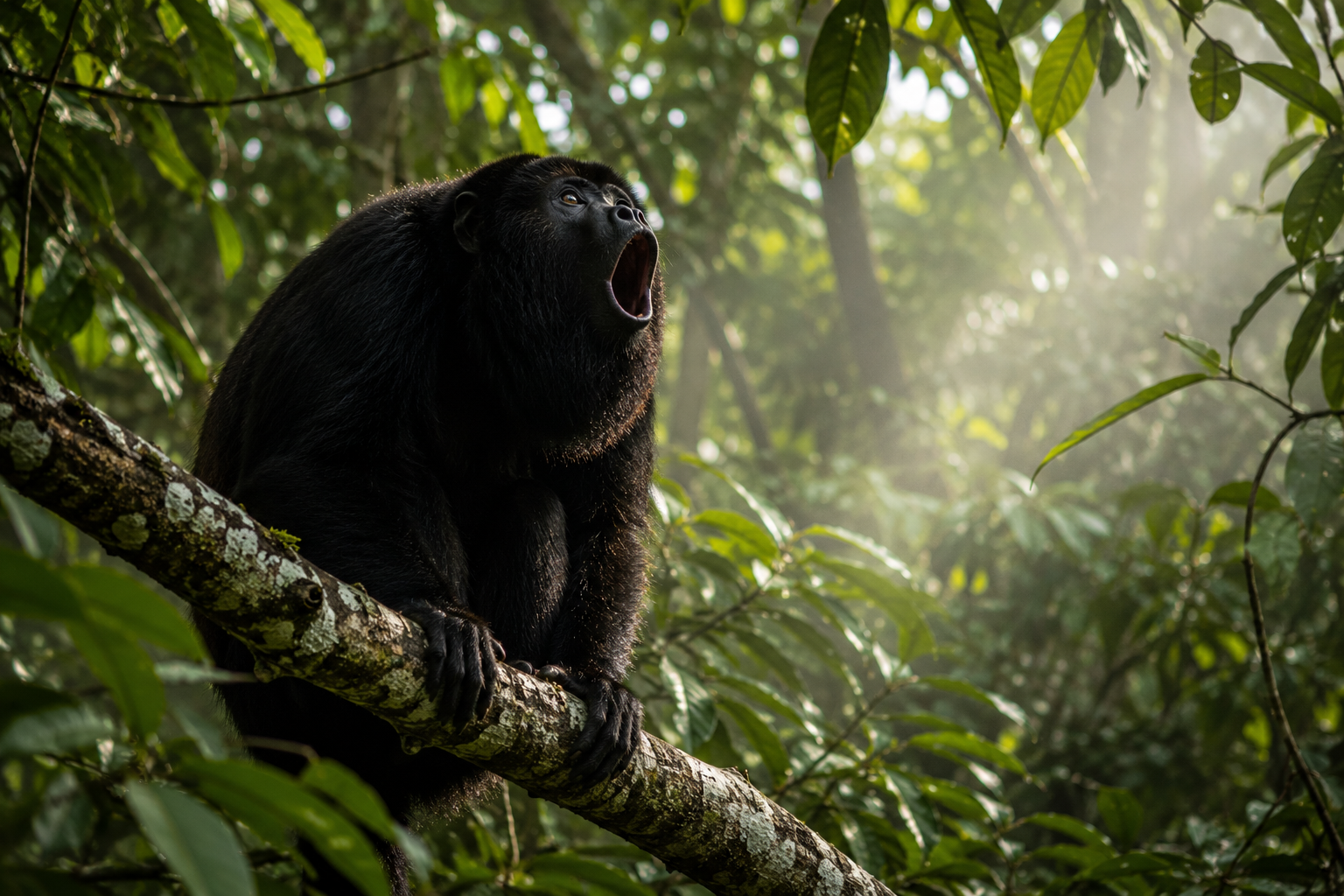
The Black Howler Monkey
One of the most recognizable sounds in the Maya Biosphere is the deep roar of the black howler monkey (Alouatta pigra), whose calls can travel for several kilometers through the jungle.
These primates are essential seed dispersers, helping regenerate forests naturally as they move through the canopy feeding on fruits, leaves, and flowers.
Healthy monkey populations often indicate a healthy rainforest ecosystem.
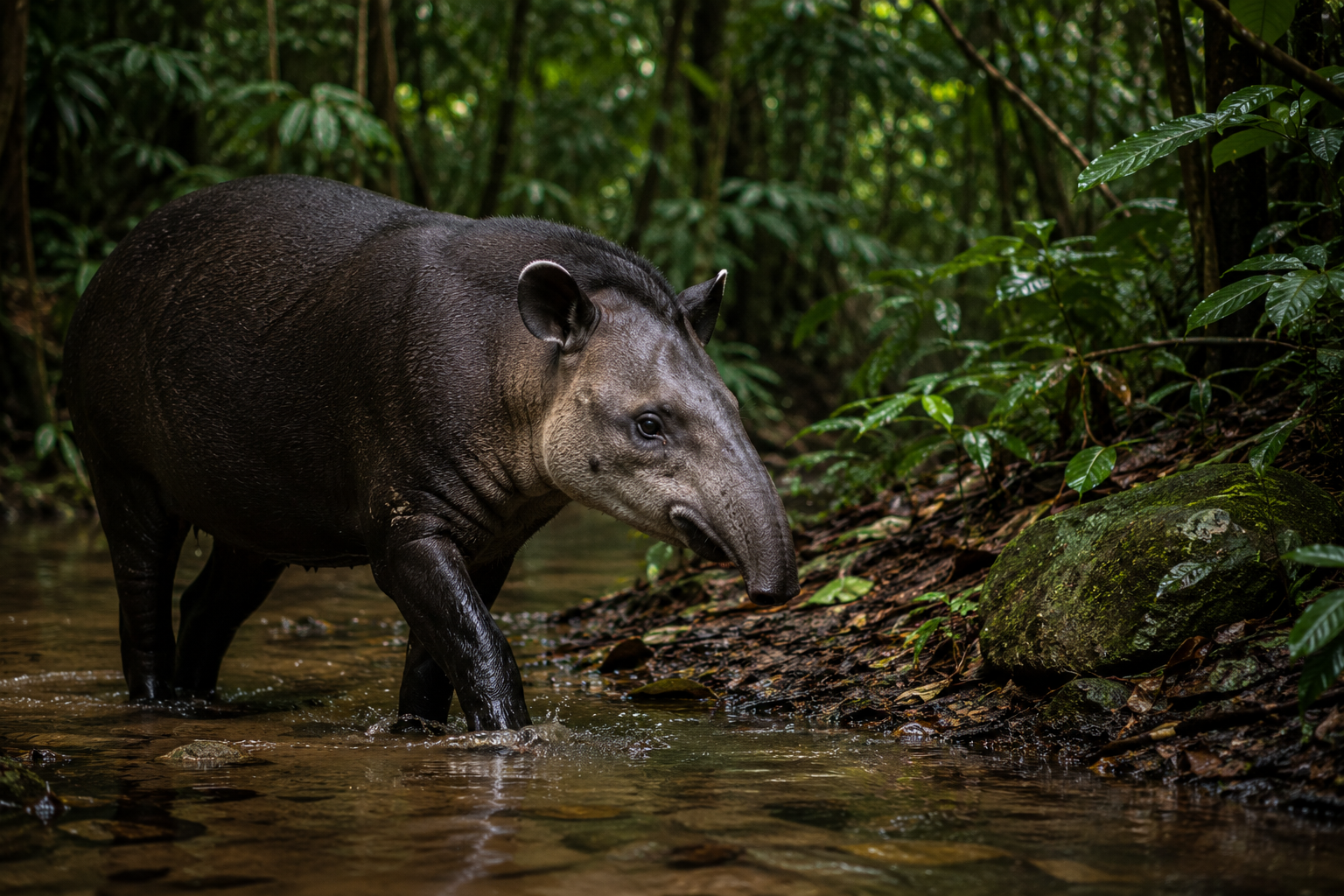
The Baird’s Tapir: Gardener of the Forest
The Baird’s tapir (Tapirus bairdii), the national animal of Belize and one of the rarest mammals in Central America, is often called the “gardener of the forest.”
By feeding on fruits and vegetation across large territories, tapirs help disperse seeds throughout the rainforest, contributing directly to forest regeneration.
Unfortunately, habitat fragmentation and hunting have pushed this species toward endangered status.
Protecting large connected forest corridors is essential for their survival.
Birds of the Maya Canopy
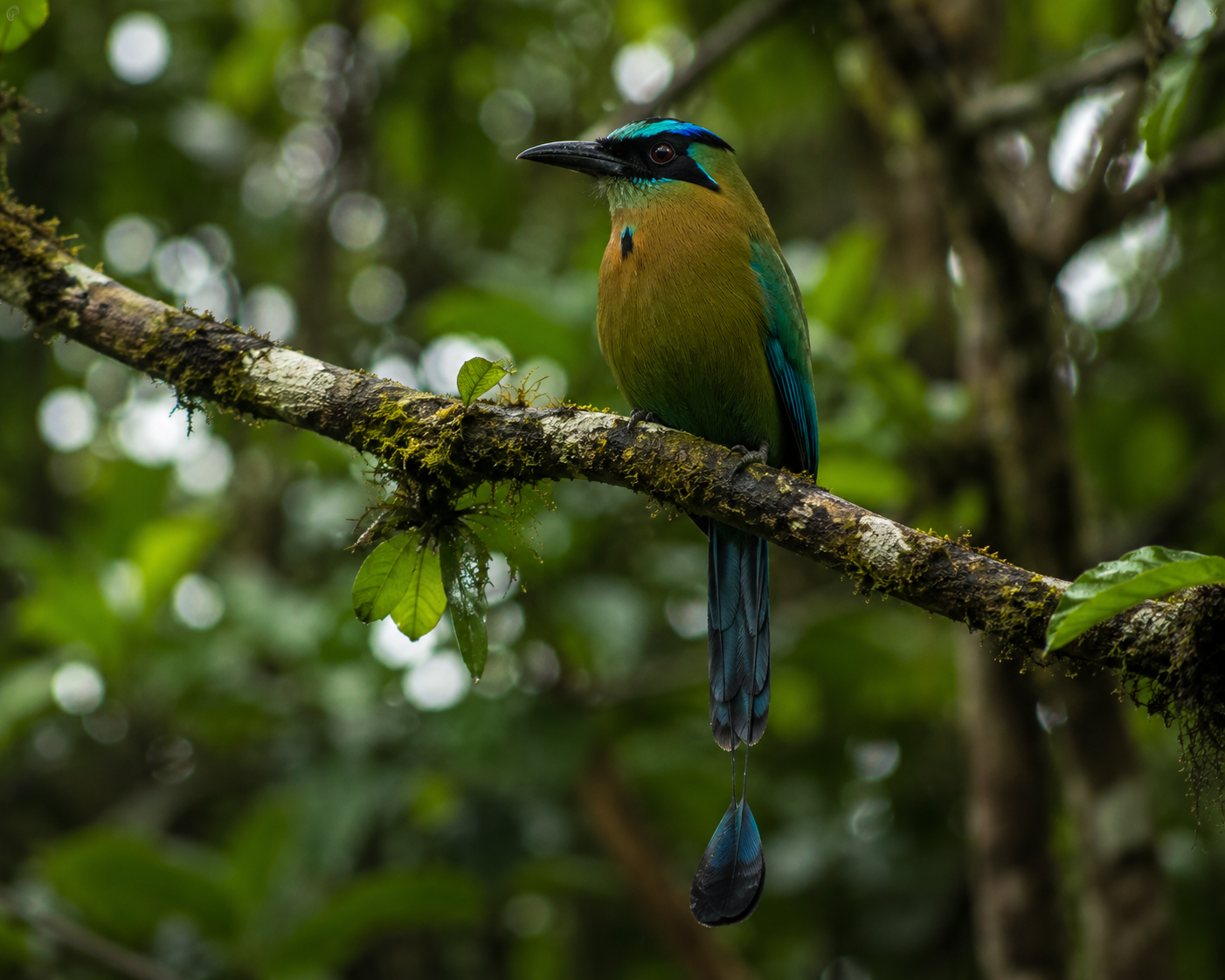
The skies and canopy of the Maya Biosphere are filled with extraordinary birdlife.
Among the most iconic species are:
the keel-billed toucan
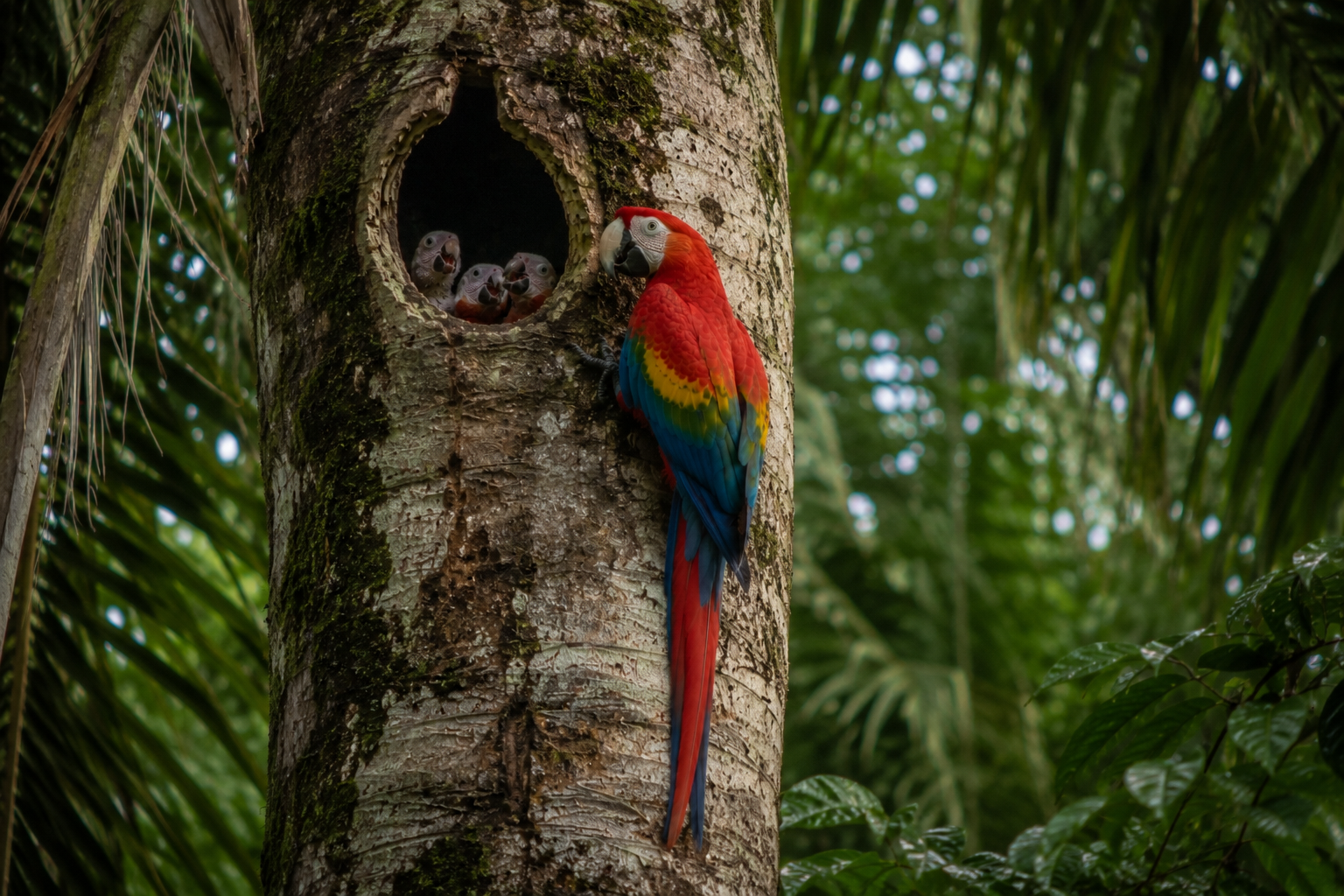
scarlet macaws
parrots
motmots
hawks
and countless migratory birds
These birds are not only visually spectacular — they also play crucial ecological roles through pollination, seed dispersal, and insect population control.
Scarlet macaws, once heavily threatened in Guatemala, have become a symbol of conservation efforts across the region.
Why Biodiversity Matters
Every species inside the rainforest plays a role in maintaining ecological balance.
Predators regulate populations. Birds spread seeds. Pollinators sustain plant reproduction. Large mammals shape forest structure.
When biodiversity disappears, ecosystems become weaker, less resilient, and more vulnerable to collapse.
Protecting wildlife means protecting the stability of the entire rainforest.
The Growing Threats to the Maya Biosphere
Despite its ecological importance, the Maya Biosphere faces increasing pressure from:
illegal logging
cattle ranching
wildfires
poaching
monoculture agriculture
and land degradation
In some areas, forests are burned to create illegal pastureland, destroying habitats that took thousands of years to evolve.
As forests disappear, wildlife populations become isolated and increasingly vulnerable.
Regeneration as a Path Forward
Regeneration means restoring the conditions that allow wildlife to thrive again.
Through native reforestation, biodiversity corridors, regenerative land management, and ecological monitoring technologies, resilient ecosystems can begin to recover across the Maya Biosphere.
Protecting wildlife is not separate from protecting communities, water systems, climate stability, and future generations — it is all connected.
🌿 Every Species Matters
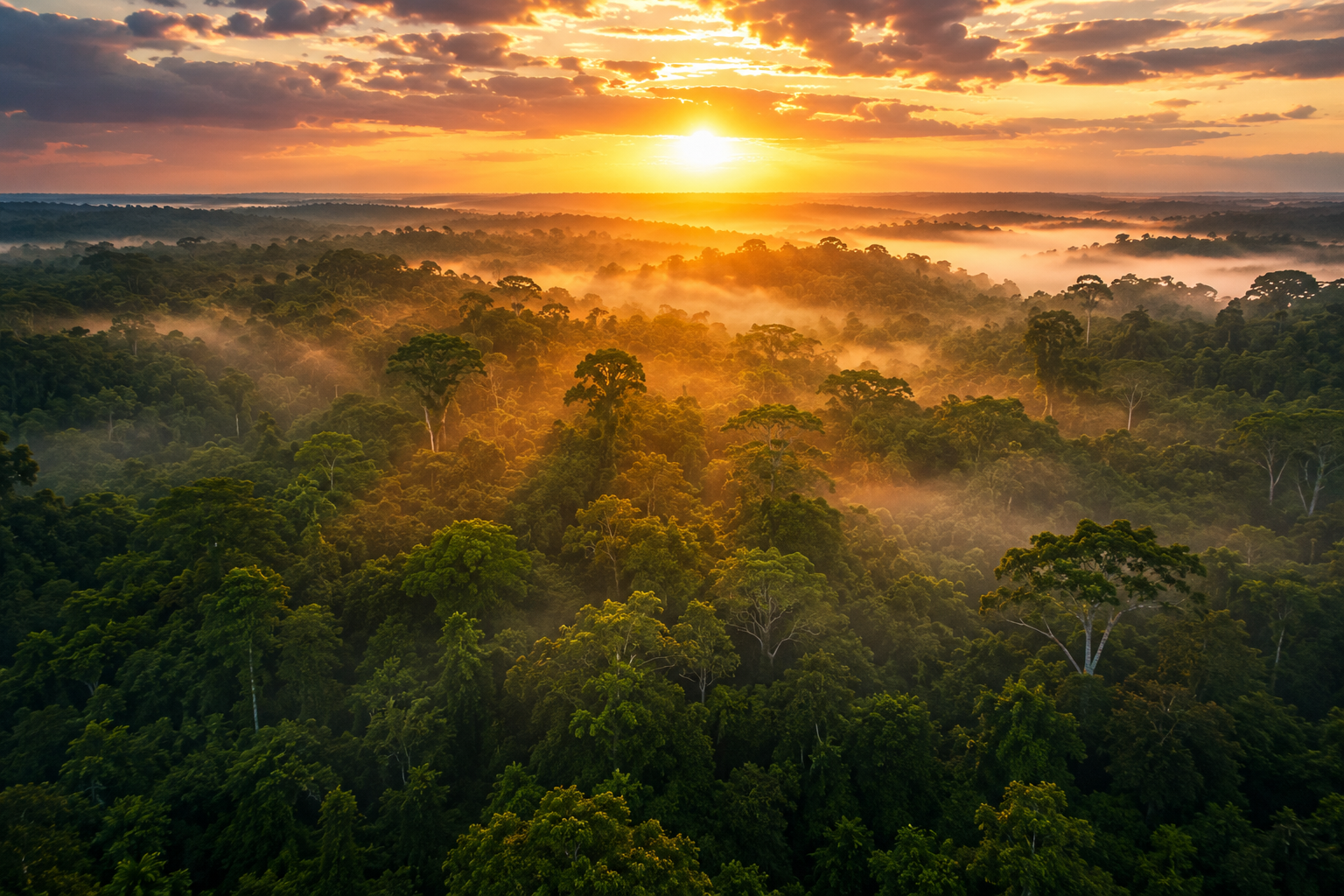
The Maya rainforest is more than a forest.
It is a living network of relationships built over millions of years — between trees, animals, rivers, soil, climate, and culture.
When one species disappears, an entire thread of that living system is weakened.
But regeneration is possible.
By protecting biodiversity today, we help ensure that future generations will still hear howler monkeys at dawn, see scarlet macaws flying above the canopy, and know that wild jaguars still walk the forests of Mesoamerica.
👉 Discover more about our mission to protect and regenerate the Maya Biosphere: