Help Regenerate the Maya Biosphere
Choose How You Want to Regenerate the Land
Every amount is tied to a real, verifiable action.
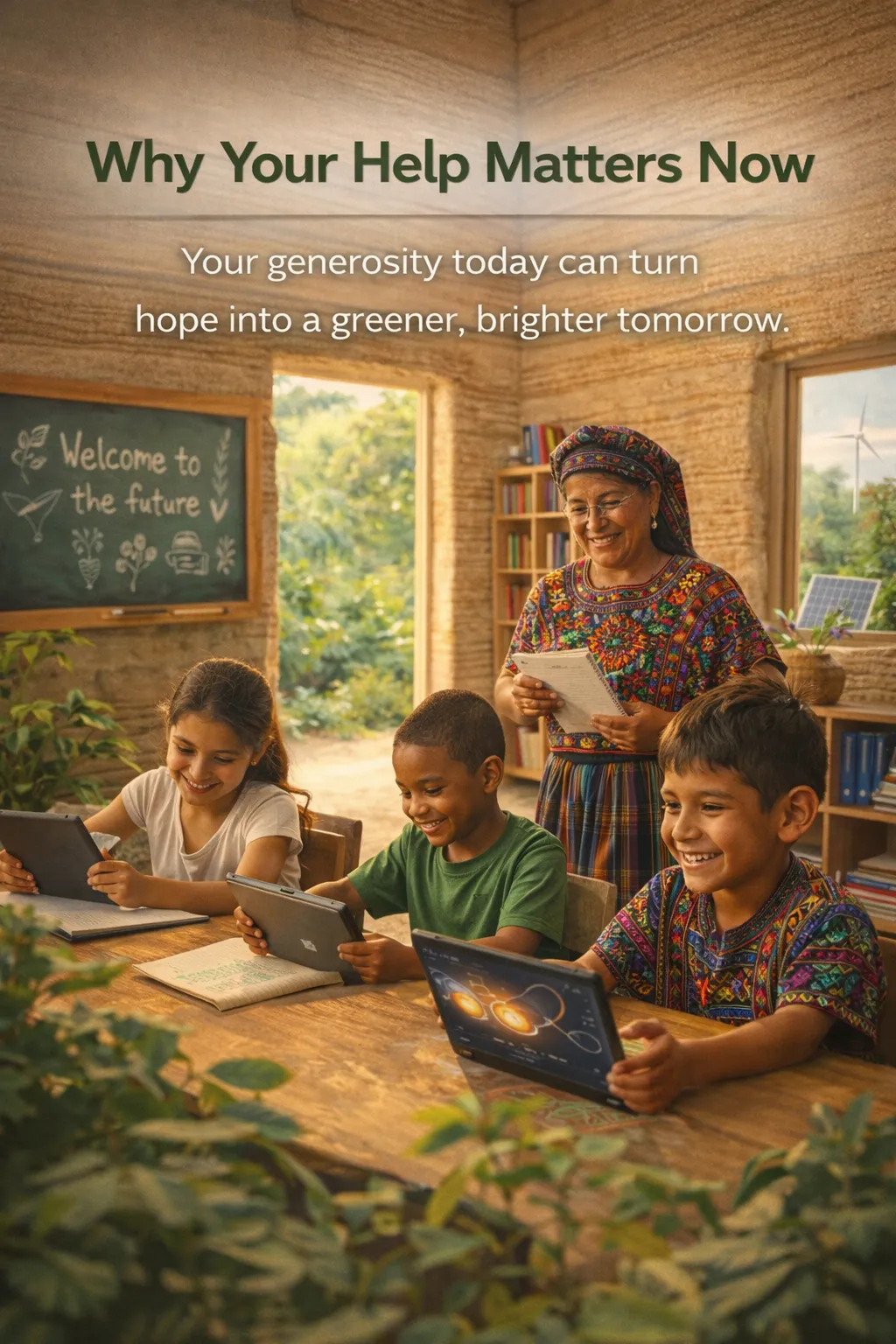
Over the past decades, illegal deforestation and cattle ranching have devastated large areas of the Maya Biosphere Reserve. Without immediate action, one of the most important ecosystems in the region could reach an irreversible tipping point.
Chawe Futuro Foundation is launching a regenerative model combining reforestation, permaculture, renewable energy, and education to restore the forest while empowering communities.
But we cannot do it alone.
Your contribution today helps turn degraded land into living forest again.
The Maya Biosphere Reserve in Guatemala is one of the last remaining tropical forests in Mesoamerica. But today it is disappearing due to illegal logging, cattle ranching, and fires.
Chawe Futuro Foundation is building a regenerative model that restores forests, empowers local communities, and creates sustainable livelihoods through permaculture, renewable energy, and education.
Your support helps us restore ecosystems and create a future where nature and communities thrive together.
Maltiox!
(Means "Thank You!" in Mayan language)

Our Path. Our Future.
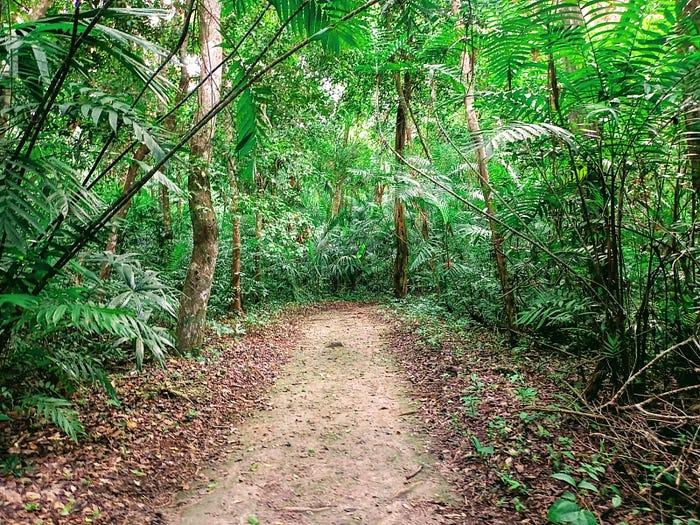
Deep Dive: Green Balam Forests in Guatemala
Green Balam Forests is restoring degraded cattle lands in Guatemala’s Maya Biosphere using native species, local workers, and Open Forest Protocol’s technology to ensure transparent, verifiable reforestation.
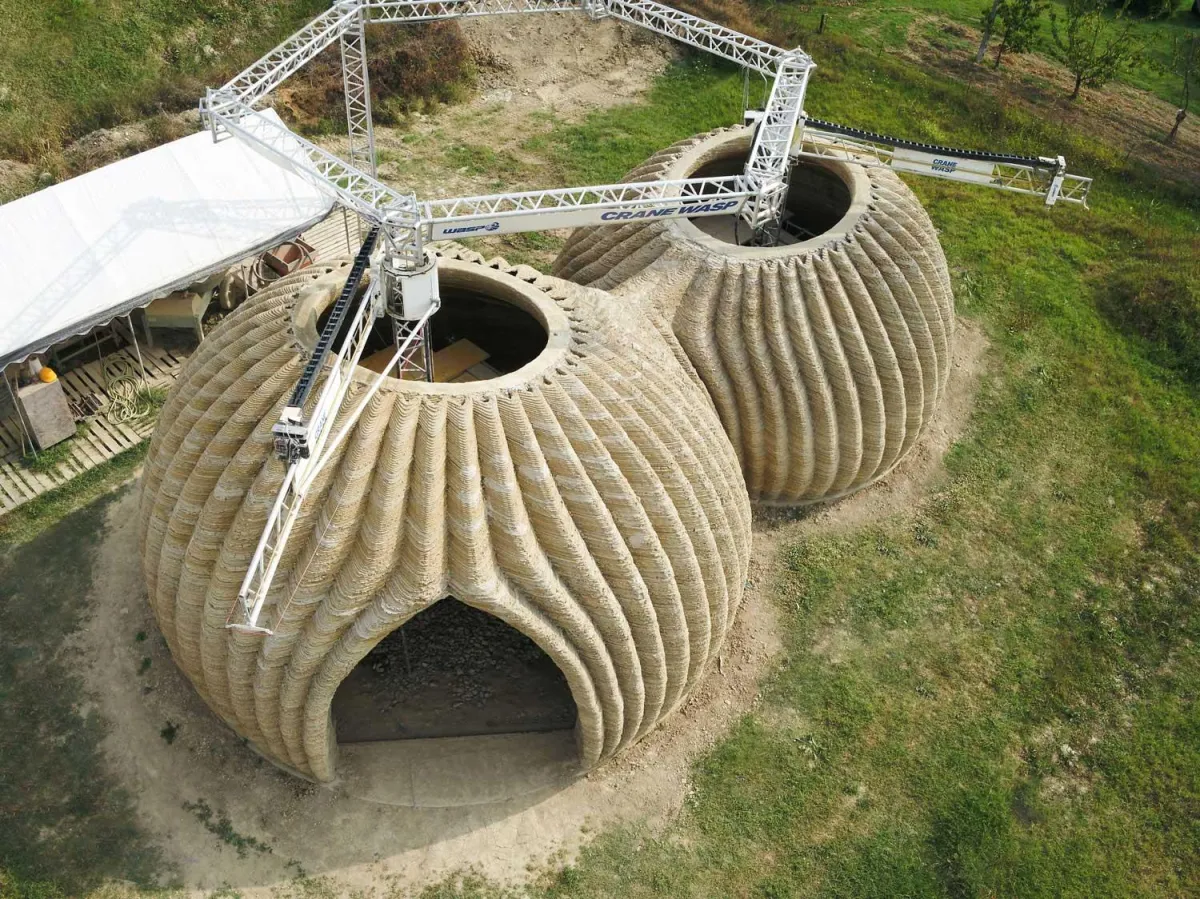
TECLA: the eco-sustainable 3D printed habitat
TECLA is the first eco-habitat built using, at the same time, multiple Crane WASP collaborative printers. It demonstrates how 3D technology can create buildings while optimizing the construction process and minimizing the use of human and energy resources.
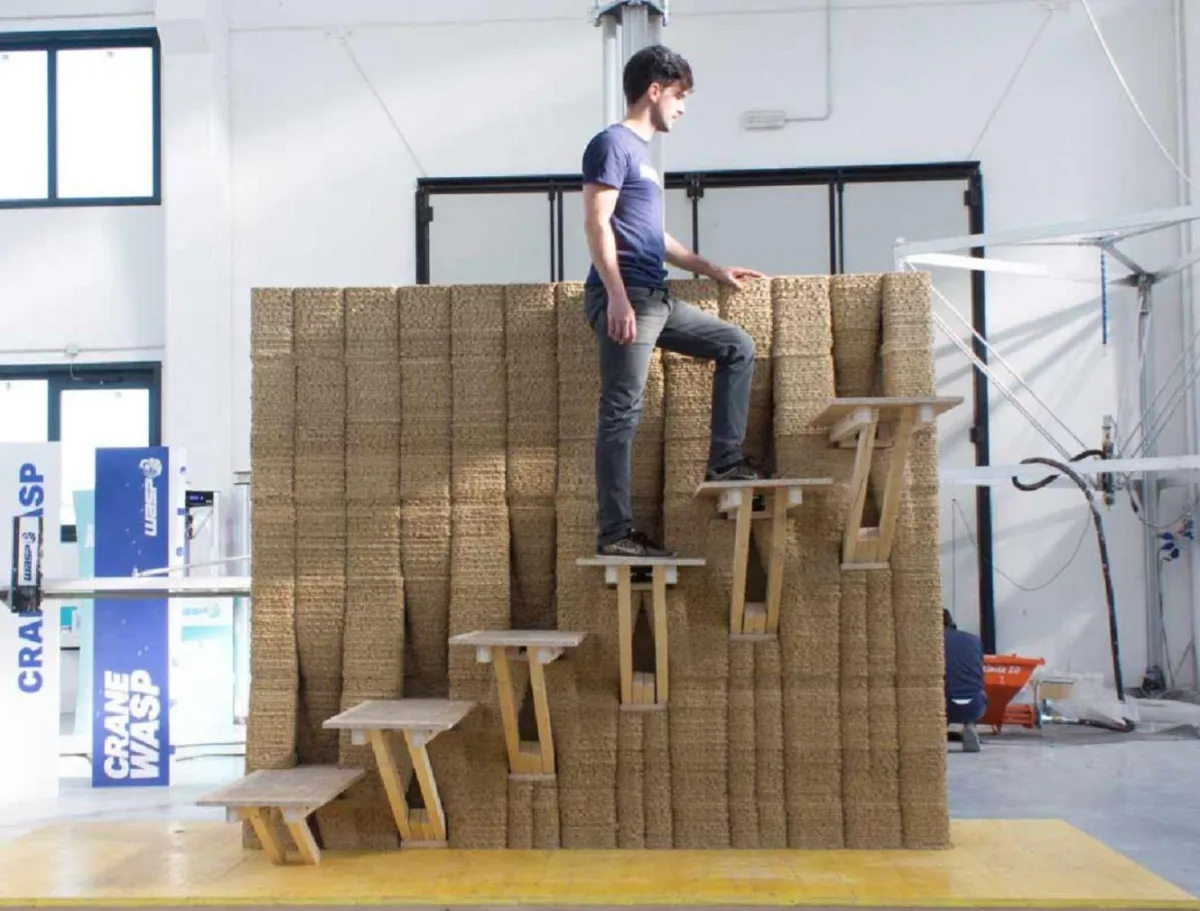
3D printed earth wall with embedded staircase
WASP has developed a 3D-printed earth wall using a mix of clay and rice fibers, demonstrating how natural materials can meet advanced construction technology. Printed in just 40 hours, this prototype highlights a fast, sustainable, and affordable approach to building resilient housing.
Deep Dive: Green Balam Forests in Guatemala
Green Balam Forests is restoring degraded cattle lands in Guatemala’s Maya Biosphere using native species, local workers, and Open Forest Protocol’s technology to ensure transparent, verifiable reforestation.
TECLA: the eco-sustainable 3D printed habitat
TECLA is the first eco-habitat built using, at the same time, multiple Crane WASP collaborative printers. It demonstrates how 3D technology can create buildings while optimizing the construction process and minimizing the use of human and energy resources.
3D printed earth wall with embedded staircase
WASP has developed a 3D-printed earth wall using a mix of clay and rice fibers, demonstrating how natural materials can meet advanced construction technology. Printed in just 40 hours, this prototype highlights a fast, sustainable, and affordable approach to building resilient housing.
Just A Little Help Can Shape a Brighter Future for Guatemala.
"From the Soul, to the Soil"
A registered nonprofit · U.S. 501(c)(3) & Guatemala NGO
1 Corinthians 3:6-7
[6] I planted, Apollos watered, but God gave the growth.
[7] So neither he who plants nor he who waters is anything,
but only God who gives the growth.
1 Corinthians 3:6-7
[6] I planted, Apollos watered, but God gave the growth.
[7] So neither he who plants nor he who waters is anything,
but only God who gives the growth.


© 2026 Chawe Futuro Foundation - All Rights Reserved
3741 N Paseo del Sol, Mesa, AZ. 85207, USA.
EIN: 38-4349306
© 2025 Chawe Futuro Foundation - All Rights Reserved