Meet the Ramón Tree: The Ancient Superfood of the Maya Forest
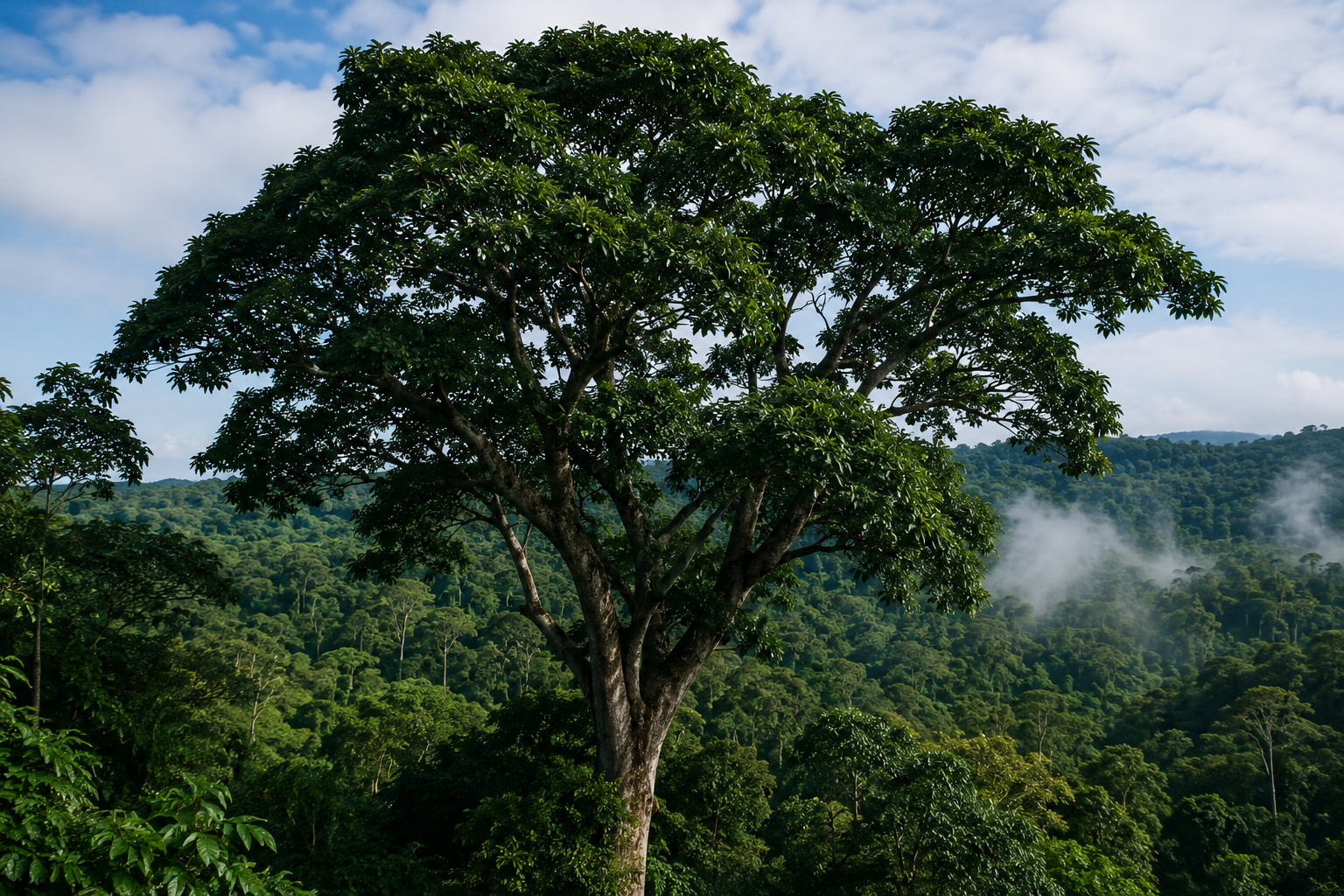
Deep within the Maya Biosphere of Guatemala grows one of the most important yet overlooked trees of the tropical rainforest: the Ramón tree (Brosimum alicastrum), also known as Maya Nut.
For thousands of years, this majestic native species has nourished wildlife, supported ecosystems, and sustained ancient Maya civilizations. Today, as climate change and deforestation threaten the future of tropical forests, the Ramón tree is once again emerging as a symbol of resilience, regeneration, and hope.
Protecting and restoring native species like Ramón is an essential part of rebuilding the ecological balance of the Maya Biosphere.
A Sacred Tree of the Maya World
Long before modern agriculture transformed the landscape, the ancient Maya understood the value of the Ramón tree.
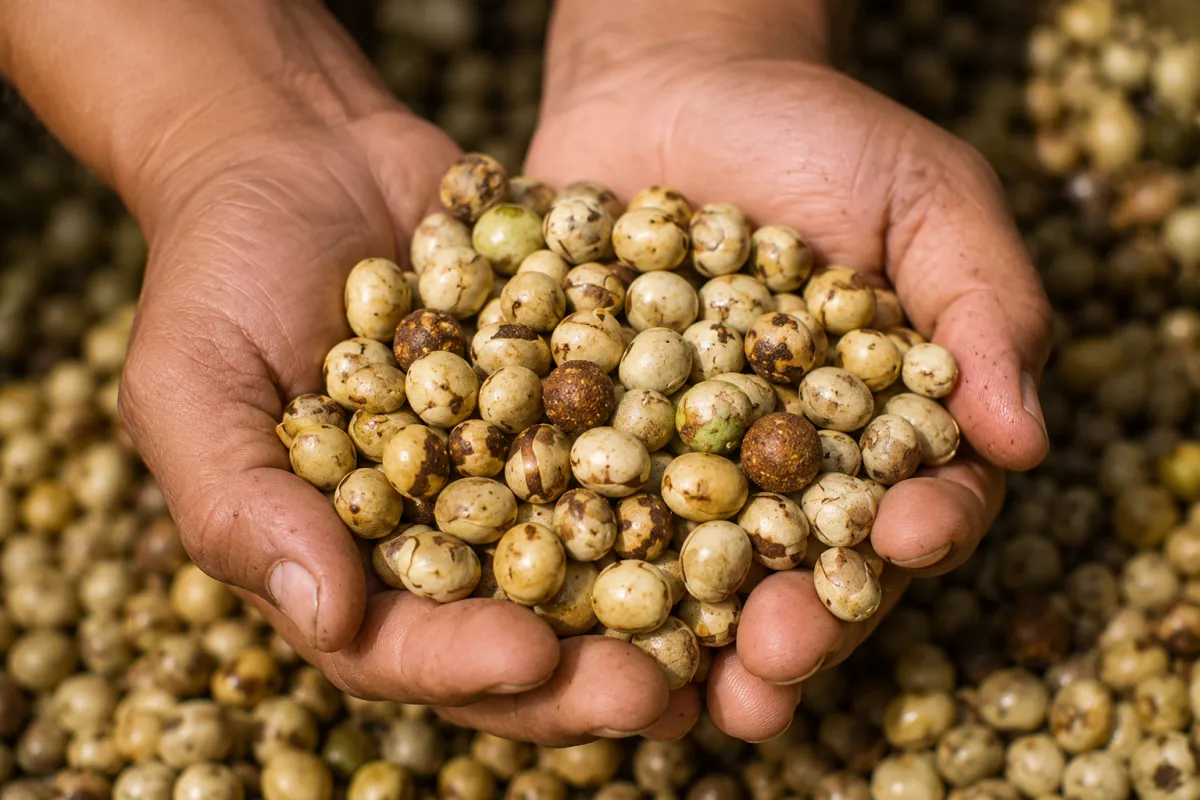
Its nutrient-rich seeds were traditionally dried and ground into flour, used to make drinks, breads, and nourishing foods during times of drought and scarcity. Archaeologists and researchers believe Ramón trees were intentionally cultivated near Maya cities and ceremonial centers due to their incredible nutritional and ecological importance.
Even today, many communities throughout Mesoamerica continue to value Ramón as a traditional food source and medicinal plant.
Why the Ramón Tree Matters
The Ramón tree is far more than just a beautiful rainforest species. It plays a critical role in maintaining healthy tropical ecosystems.
Climate Resilience
Ramón trees are highly resistant to drought and capable of thriving in difficult tropical conditions. Their deep root systems help stabilize soil, retain moisture, and reduce erosion during heavy rains.
As climate instability increases across Central America, resilient native trees like Ramón become increasingly important for restoring degraded landscapes.
Biodiversity Support
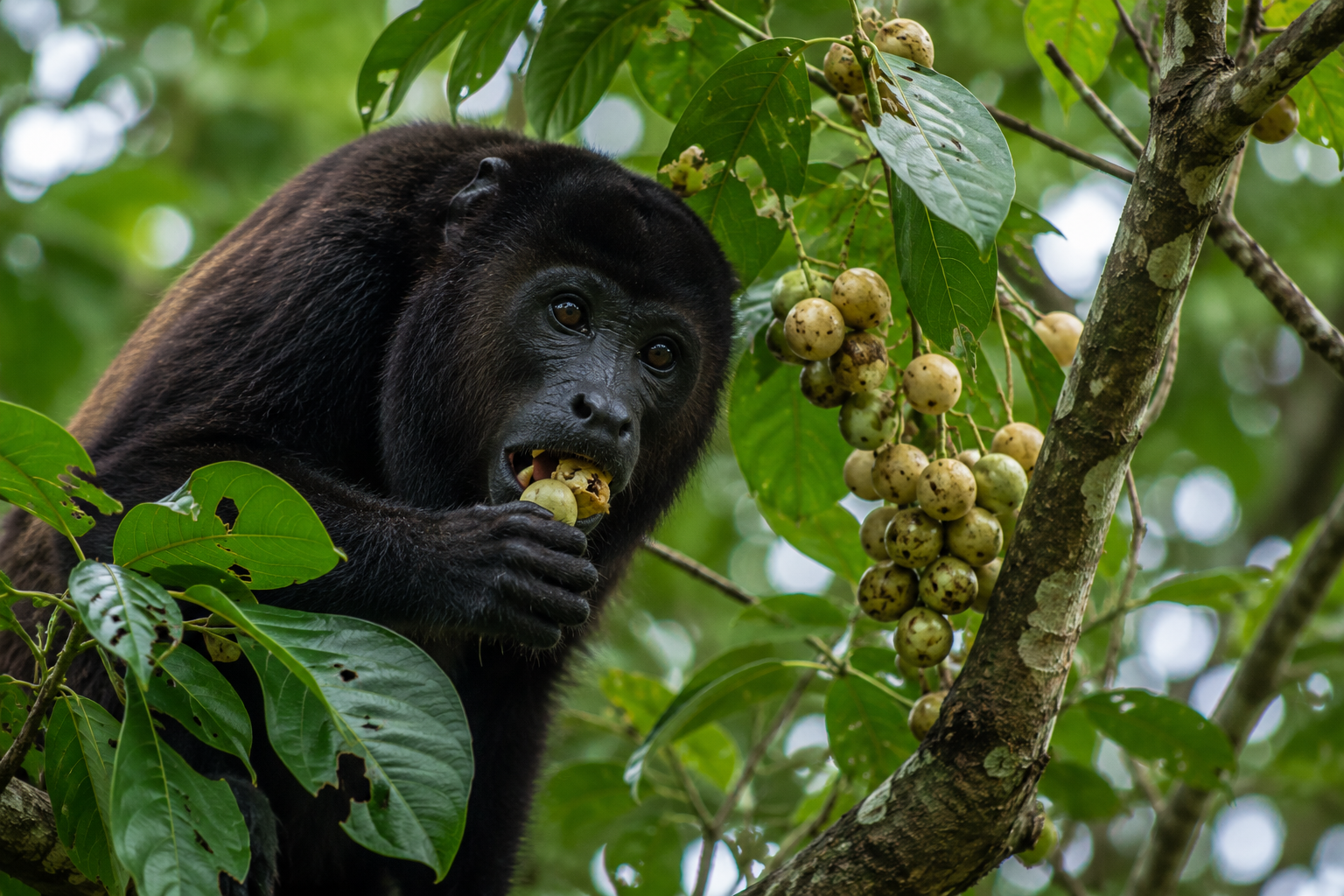
The tree provides food and shelter for countless species of wildlife throughout the Maya Biosphere, including:
monkeys
toucans
parrots
deer
peccaries
and many other rainforest animals
Its dense canopy also helps regulate forest temperature and humidity, creating healthier microclimates for surrounding plants and animals.
Carbon Capture and Forest Restoration
Large native canopy trees like Ramón help absorb and store significant amounts of atmospheric carbon dioxide, making them powerful allies in the fight against climate change.
Unlike monoculture plantations, native forest restoration creates living ecosystems capable of supporting biodiversity, water cycles, and long-term ecological stability.
A Nutritional Superfood Hidden in the Forest
Ramón seeds are often called a “superfood” due to their remarkable nutritional profile.
They contain:
protein
fiber
potassium
calcium
iron
antioxidants
The seeds can be roasted and ground into a flour with a flavor similar to coffee or cacao, making them a sustainable and nutritious alternative food source.
As global interest in regenerative agriculture and resilient food systems grows, Ramón has the potential to become an important crop for ecological restoration and community resilience.
The Role of Ramón in Regenerative Reforestation
Native canopy species such as Ramón are part of a broader vision for restoring the Maya Biosphere through regenerative forestry and permaculture principles.
Our long-term mission includes:
reforesting degraded land with native species
rebuilding biodiversity corridors
supporting wildlife habitats
improving soil health
and empowering local communities through regenerative education and ecological stewardship
By planting native trees instead of invasive or industrial monocultures, we help restore the natural intelligence of the forest itself.
Regeneration Begins with Native Species
The future of the Maya Biosphere will not be restored through technology alone.
It will be restored through a renewed relationship with the living systems that have sustained this land for thousands of years.
The Ramón tree reminds us that the answers to many modern ecological challenges have existed in nature all along.
Protecting native forests means protecting biodiversity, culture, water, climate stability, and future generations.
And regeneration begins one tree at a time.
🌱 Help the Forest Breathe Again
For centuries, the Ramón tree has quietly sustained life throughout the Maya rainforest — feeding wildlife, enriching soils, storing carbon, and supporting entire ecosystems.
Today, these forests need guardians more than ever.
At Chawe Futuro Foundation, we are working to restore native forests, protect biodiversity, and regenerate degraded land across the Maya Biosphere through reforestation, education, and regenerative innovation.
Every person who supports this mission becomes part of a living movement for ecological restoration and long-term planetary healing.
👉 🌳 Explore the mission and become part of the regeneration:
https://chawefuturo.org/thank-you