The Villages of the Future Could Rise From the Maya Forest
In the heart of the Maya Biosphere Reserve, Chawe Futuro Foundation envisions something far greater than simple reforestation.
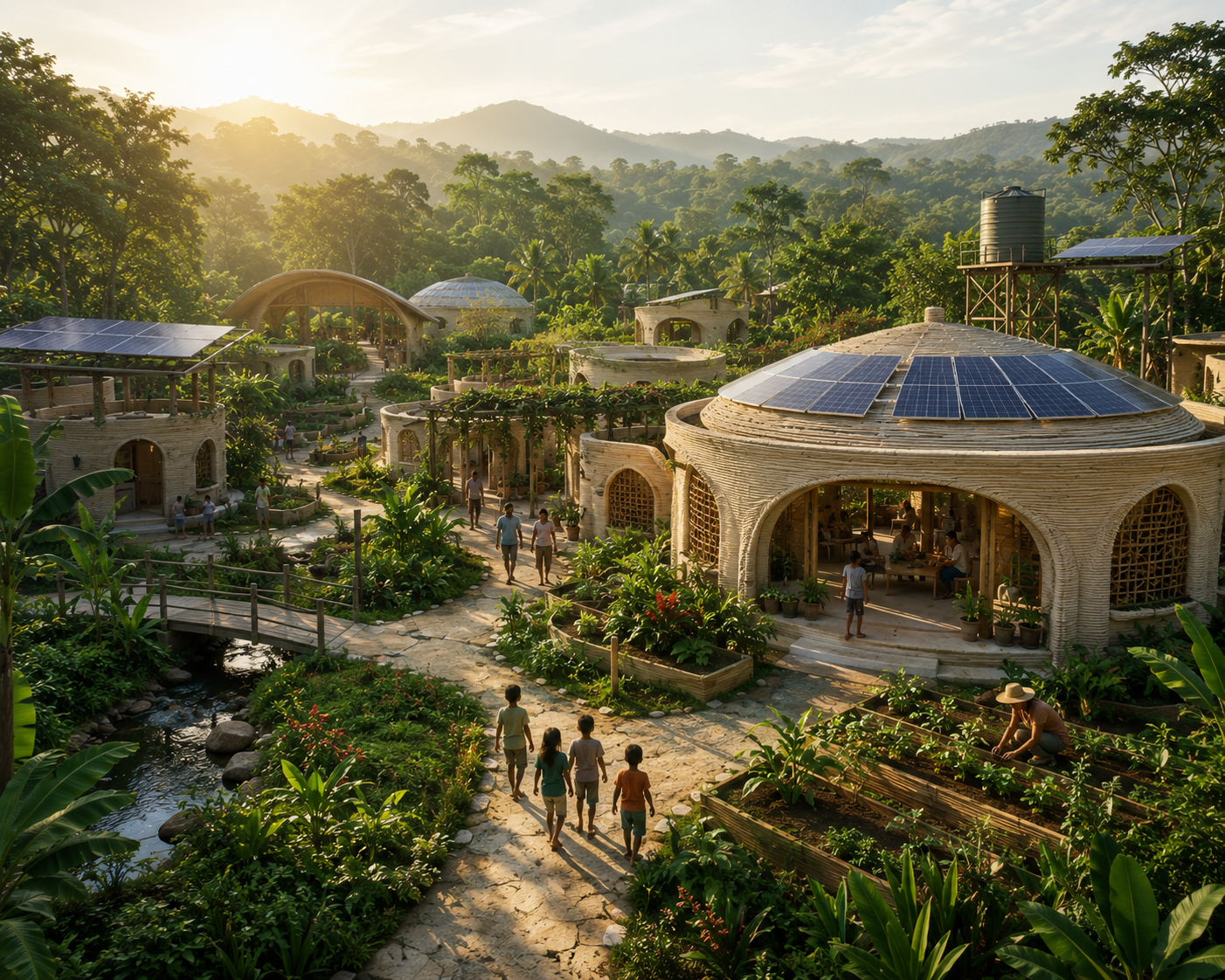
We envision regenerative villages built in harmony with nature, communities where architecture, food production, education, technology, and ecology work together as one living system.
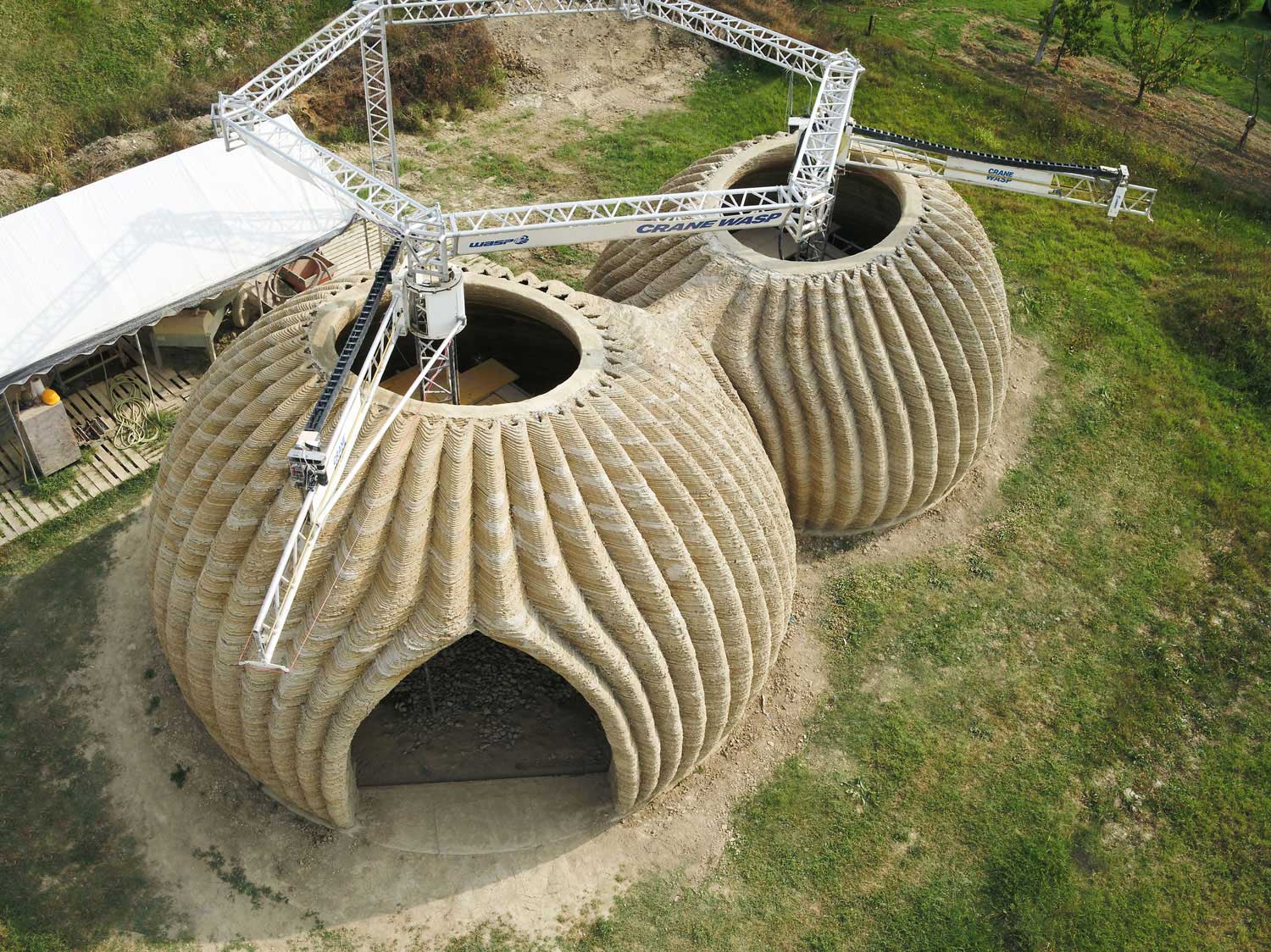
Inspired by the TECLA project developed by 3D WASP in Italy, our long-term vision is to organize future communities around circular regenerative principles using 3D-printed earth construction, renewable energy, permaculture, and local materials.
TECLA demonstrated that it is possible to construct beautiful, functional homes using locally sourced earth and natural materials, significantly reducing environmental impact while creating resilient and affordable housing solutions.
Instead of building cities that consume forests, we want to create villages that help regenerate them.
One of the most important aspects of this vision is the use of bioconstruction instead of conventional concrete construction.
Concrete production is one of the largest sources of carbon emissions in the world and often depends on industrial extraction, long transportation chains, and materials disconnected from the local ecosystem. In contrast, earth-based bioconstruction uses natural local materials such as clay, sand, lime, and natural fibers directly from the surrounding environment.
This creates several enormous advantages for regenerative communities:
Much lower environmental impact
Reduced transportation costs
Faster construction times
Natural thermal regulation in tropical climates
Greater connection between the community and the land itself
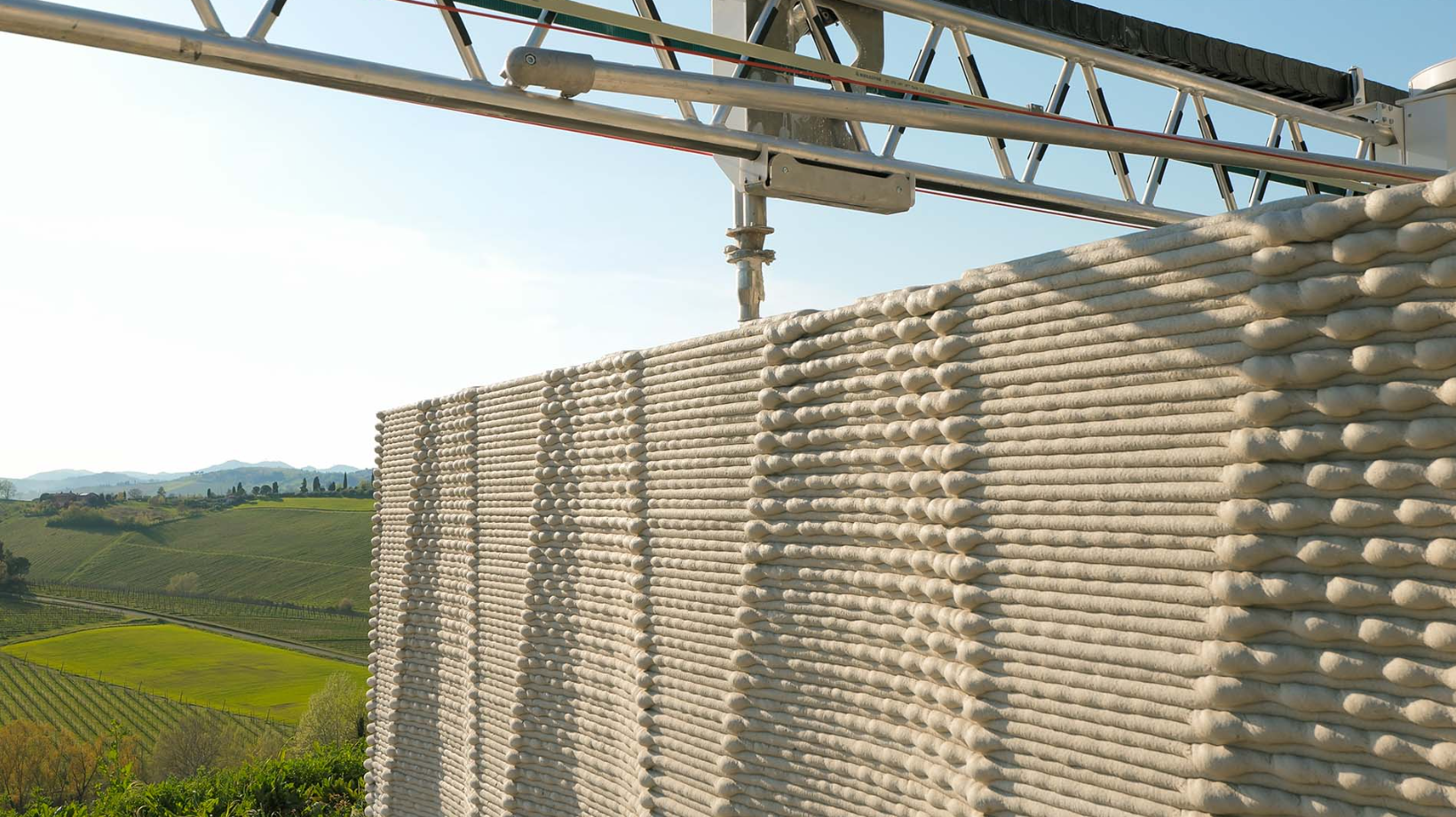
Using technologies developed by WASP, homes, schools, clinics, and community buildings can be printed rapidly using the soil already available on-site. Instead of waiting months or years for traditional construction logistics, regenerative structures can be developed much faster and at a significantly lower ecological cost.
For remote areas near the Maya Biosphere, this is especially important.
The ability to use local materials directly from the land makes these villages more resilient, more affordable, and more scalable for communities that traditionally lack access to expensive industrial infrastructure.
But the true vision goes beyond architecture.
These regenerative “magic villages” are designed to become circular local economies rooted in ecological restoration.
Each village could eventually generate sustainable income through:
Native tree nurseries
Organic food forests
Agroforestry products
Educational tourism
Compost production
Artisan workshops
Renewable energy
Ecological retreats
Carbon credit systems
Blockchain-supported conservation sponsorships
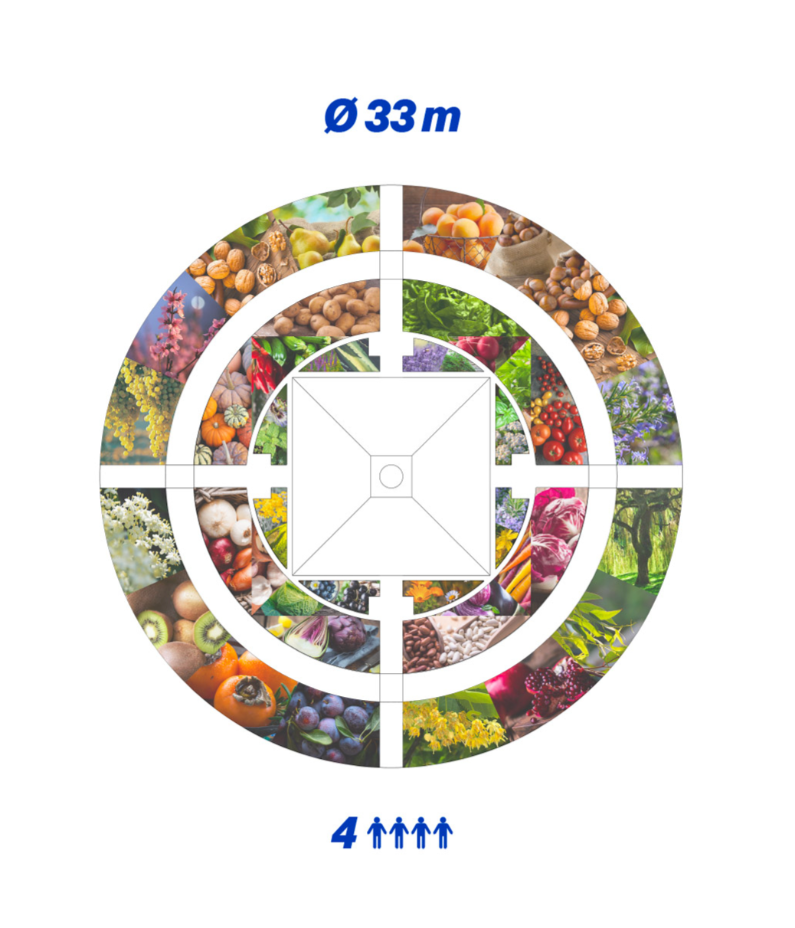
Instead of relying on destructive industries like illegal logging or cattle expansion, communities can thrive economically by protecting and restoring the forest itself.
At the center of these villages, we envision Earth Schools where children learn both ancestral Maya wisdom and modern tools like artificial intelligence, drone technology, regenerative agriculture, and ecological stewardship.
This is not just about sustainability.
It is about creating a new relationship between humanity and nature.
A future where technology serves the forest instead of destroying it.
A future where villages become living ecosystems.
And a future where the Maya Biosphere becomes a global example of regeneration, resilience, and hope.
🌱 Help us regenerate the Maya Biosphere and build the regenerative villages of the future https://chawefuturo.org/thank-you